Why Do French Tips Chip at the Tip First (And How to Actually Make Them Last)
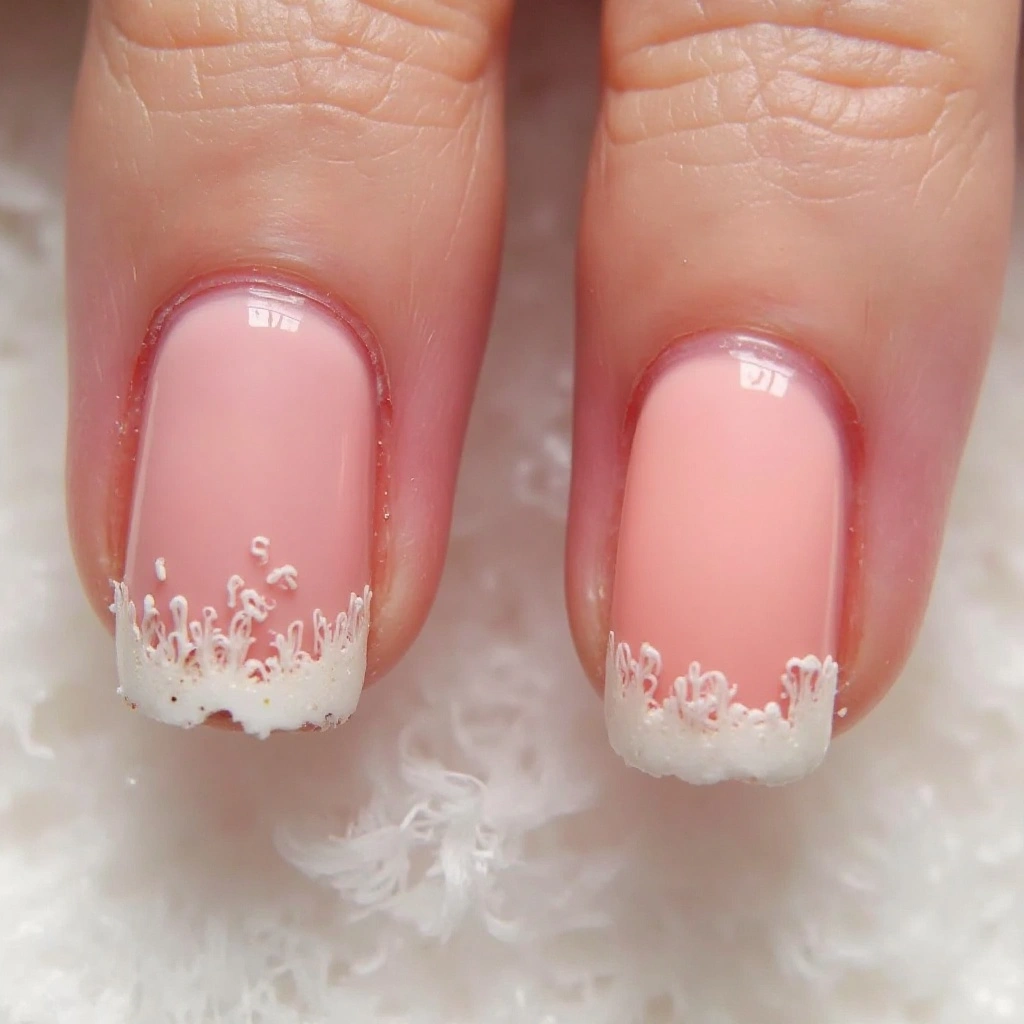
If you’ve ever done a fresh set of French tips, admired them for about two days, and then watched the white edge start to peel off like a tiny sad flag — you’re not doing anything wrong. This is one of the most common problems with French manicures, and the frustrating part is that most guides just tell you to “seal the tip” without explaining what that actually means or why it matters.
I’m going to break this down properly. Why the tip specifically chips first, what’s really going on when it happens, and what you need to do differently — step by step. So Why Do French Tips Chip at the Tip First
Why the Tip Is Always the First to Go
The free edge of your nail (the part that sticks out past your fingertip) takes more abuse than any other part. It’s the first thing that hits a keyboard, a can tab, a zipper, anything. But that’s not the only reason it chips.
The bigger issue is product shrinkage and edge adhesion. When gel or polish dries and cures, it shrinks slightly. If the very edge of your nail isn’t fully sealed, that shrinkage pulls the product inward, creating a tiny gap right at the tip. That gap then catches on things, and the chipping starts.
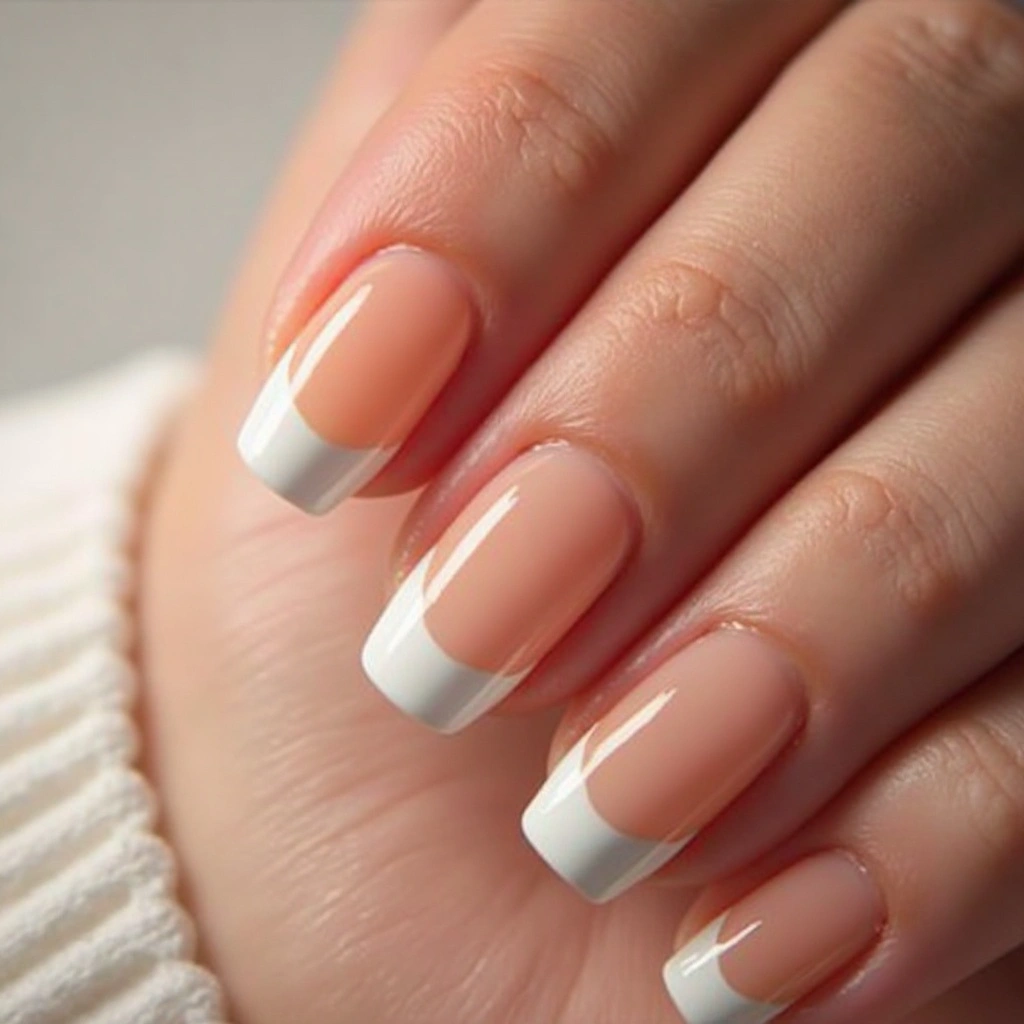
French tips make this worse because you have two products meeting at the tip — your base color (often sheer pink or nude) and the white tip. That join line is a weak point. If either layer isn’t sealed over the edge, you’ve basically drawn a dotted line where the nail will eventually break.
Add to that the fact that white gel or polish tends to be thicker and less flexible than other colors, and you’ve got a chip waiting to happen.
The Real Cause (That Most Blogs Skip)
Here’s the part that doesn’t get explained enough: your nail’s free edge is porous and rough at a microscopic level, especially if you’ve filed it. Polish and gel don’t stick to a rough, unprepared surface the same way they stick to the flat nail plate.
When you apply product to the tip without capping it properly, you’re essentially leaving the ends exposed. Every time your finger bends slightly or you press against something, that exposed tip flexes just a little. Over time, even a small flex causes the product to lift from that edge.
This is why French manicures chip faster than a solid-color manicure on the same person. With a solid color, the edge weakness is hidden. With French tips, the white draws your eye — and your fingernail — straight to it.
How to Fix It: Step-by-Step Why Do French Tips Chip at the Tip First
Step 1: Prep Your Free Edge First
Before anything else, file your nails to the shape you want, then lightly buff the free edge itself — not the nail plate, just the tip. This removes any rough spots and helps product grip the edge instead of sitting on top of it.
After buffing the edge, wipe the entire nail with a lint-free wipe and your cleanser or 91%+ isopropyl alcohol. Don’t skip this. Any oil or dust on the free edge will ruin adhesion.
Step 2: Apply Your Base or Rubber Base Coat
This is where a lot of beginners go wrong: they skip straight to color. Your base coat isn’t just a barrier — it’s what everything else bonds to.
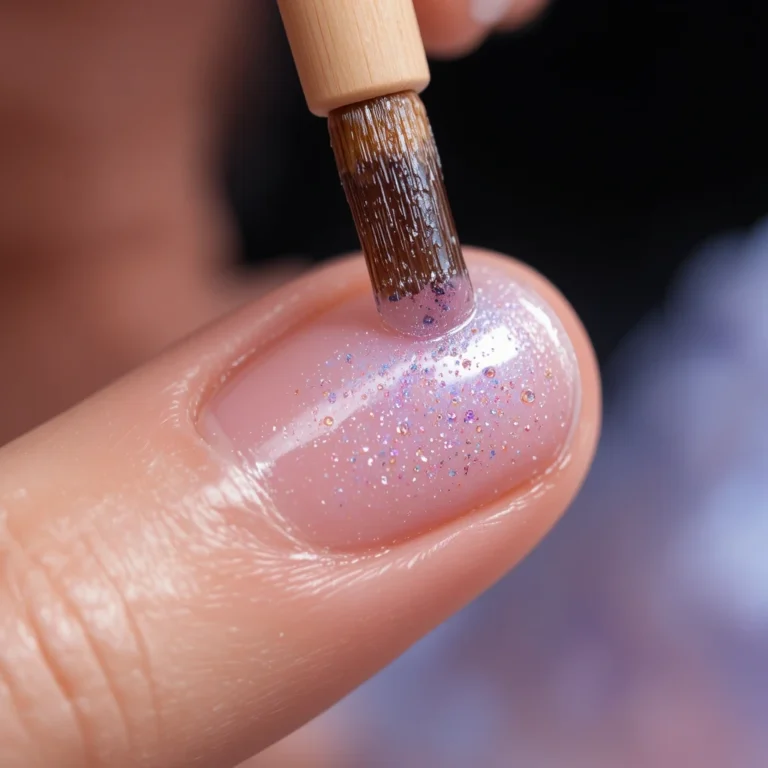
Apply your base coat or rubber base thin, then cap the free edge. To cap the edge, hold your brush almost horizontal to the tip and drag it along the very end of the nail. You should feel a slight resistance as the brush strokes across the edge. It doesn’t need to be thick — just covered.
Cure fully. Don’t undercure at this stage.
Step 3: Apply Your Pink/Nude Layer
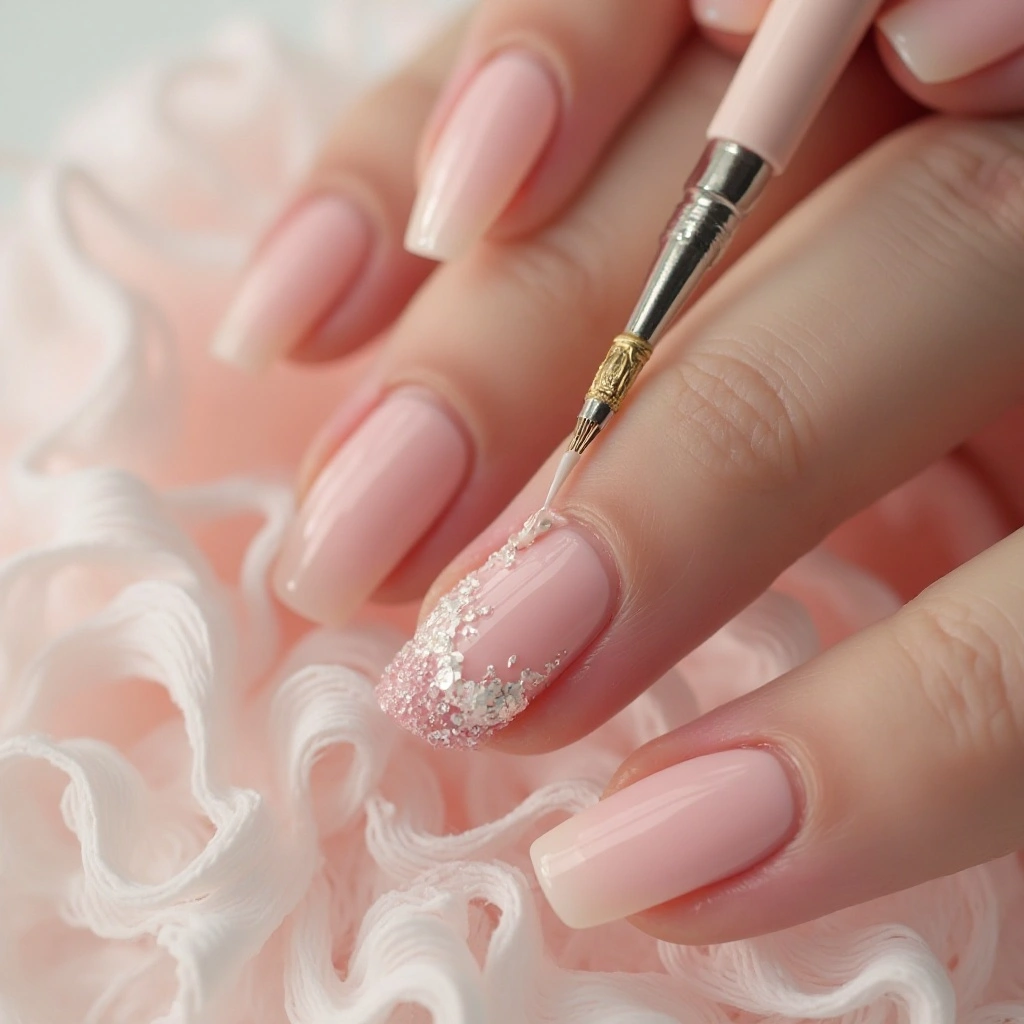
Apply your sheer base color in two thin coats, capping the edge each time. After each coat, look at the nail from the side. You should see color going all the way around the tip, not stopping at the top surface.
If you can see a thin white line at the very edge of your nail plate — that’s uncapped product. Go back and seal it before you cure.
Step 4: Apply the White Tip
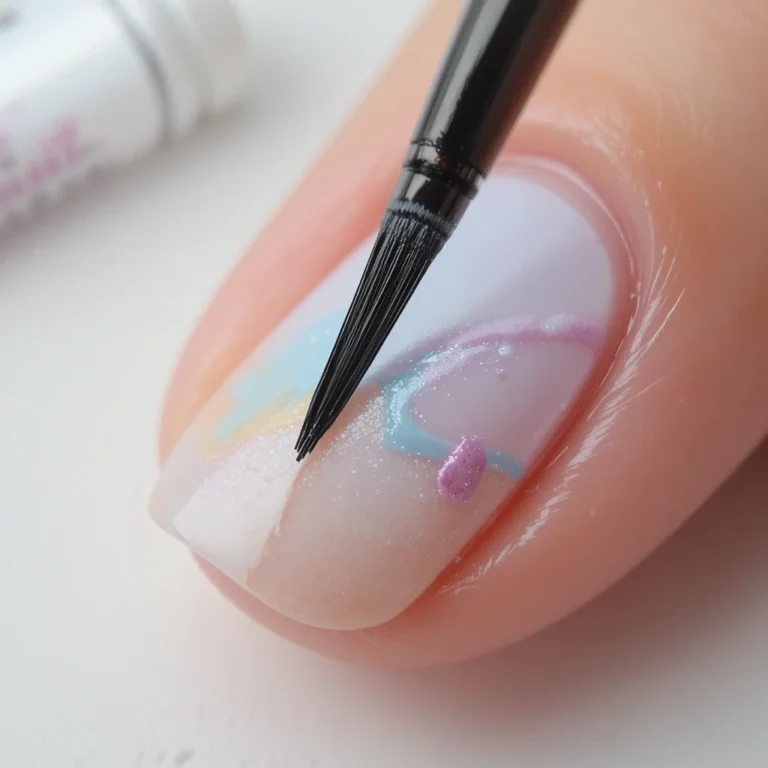
This is the most important step for longevity. Whether you’re using a brush-on white gel or a french tip pen, apply the white in a thin layer first and let it self-level for about 20 seconds before curing. A second thin layer is better than one thick one.
When you cap the white over the edge, be deliberate. Stroke the brush straight down over the tip at least twice. The white needs to wrap slightly underneath the free edge — not just sit on top.
Cure fully. White gel often needs longer than colored gels because the pigment is dense.
Step 5: Top Coat — And Cap It Again
Apply your top coat over the whole nail. Before you cure, go back and cap the free edge one more time with your top coat brush. This is your final seal and it matters.
Run your finger over the tip after curing. It should feel smooth and continuous — not like there’s a little ledge where the white meets the top coat. If you feel a ridge, add one more thin stroke of top coat to the edge and cure again.
Common Mistakes That Make Chipping Worse
Using thick coats to try to “cover” the tip faster. Thick coats shrink more when they cure and they don’t bond as well. Two thin coats always outlast one thick coat.
Filing after you’ve already applied product. Even light filing after sealing can break that edge seal. Do all your shaping before you start.
Rushing the cure time. If your lamp is older or your nails are large, 60 seconds may not be enough. Most white gels benefit from 90 seconds. Undercured product stays tacky at the surface and chips much sooner.
Forgetting the underneath. You don’t need to coat the underside of your nail, but the product needs to wrap around the tip to the very edge. If you’re only applying product to the top flat surface, you’re leaving the edge exposed.
Skipping the base and going straight to color. Gel color applied directly to the nail without a proper base loses its edge grip within days.
What to Expect After You Fix This
If you change your technique based on the steps above, you should notice a real difference by your second or third full set. Most people see their French tips last an additional week just from properly capping the edge.
Be realistic though — the first time you try this, you might still get some chipping at the 10–12 day mark as you dial in your technique. That’s normal. The goal is to push that first chip from day 3–4 out to day 10–14.
French tips on natural nails will always chip faster than on extensions, because natural nails flex more. If your nails are very short or very thin, consider adding a layer of builder gel or a strengthening base before your French tip — it gives the product more to grip onto.
(If you’re looking for French tip designs that hold up better on natural nails, check out our post on [chrome French tips — how to apply them and why they actually last longer than classic white tips].)
Extra Tips That Actually Make a Difference
Use a thinner white. If your white gel is very thick, thin it slightly by warming the bottle in your hands before use. Thinner product self-levels better and wraps the edge more easily.
Try a hard gel top coat for the tips specifically. Apply a regular top coat over the main nail, then add one thin layer of hard gel just over the tip and cure. Hard gel is more chip-resistant than soft gel and acts like a cap on the most vulnerable area.
File in one direction. Back-and-forth filing creates micro-tears in the nail edge that break down product adhesion. Always file in one direction only, especially when shaping the free edge.
Change your lamp bulbs. UV lamps lose intensity over time. If you’ve had yours for more than a year and use it regularly, the cure time you’ve been using may no longer be sufficient. Add 15–20 seconds to each cure and see if it helps.
(For more on long-lasting nail techniques, our guide on [ombré nails — how to apply them so the gradient doesn’t peel] covers a lot of the same edge-sealing principles that apply here.)
FAQs
Can I fix a chipped French tip without redoing the whole nail?
Yes — but only if the chip is small and at the edge. File the chip smooth, apply a tiny amount of white gel just to the chipped area, cap the edge, cure, then top coat over the whole nail. It won’t be invisible, but it can buy you another week.
Does brand make a difference for how long French tips last?
The brand matters less than the technique. A mid-range gel applied correctly will outlast a premium gel applied with poor edge sealing. That said, very cheap white gels sometimes have poor consistency and chip faster regardless of technique — if you’re consistently having problems, it’s worth trying a different brand.
Why does my white tip look yellow after a few days?
This is usually UV exposure — white gel can yellow slightly from sunlight. A UV-protective top coat helps a lot. Also avoid applying hand creams with certain oils (like olive oil) directly over your nails, as they can cause slight discoloration in white gel over time.
One Last Thing
The fix for chipping French tips comes down to one habit: cap the edge every single time you apply a layer. It feels like an extra step, but it takes about 10 seconds per nail and it changes everything. now you know Why Do French Tips Chip at the Tip First
Start with your very next set. Apply each layer, cap the free edge before you cure, and see how far you get before that first chip. Most people are surprised how big of a difference one small habit change makes.