Matte Top Coat Turning Tacky or Streaky? Here What Going Wrong
You painted your nails, waited, applied your matte top coat — and instead of that smooth, velvety finish you were expecting, you got something sticky, streaky, or somewhere in between. It’s frustrating, especially when you did everything “right.”
Here’s what nobody tells you upfront: matte top coats are genuinely more finicky than regular glossy ones. They don’t forgive wet underlayers, they react badly to humidity, and the way you apply them matters more than you’d think. I’ve ruined more than a few manicures learning this the hard way.
This guide breaks down exactly why your matte coat is misbehaving and how to fix it — step by step, no vague advice. So Matte Top Coat Turning Tacky or Streaky
Why Does This Actually Happen?
Matte top coats work differently from glossy ones. They contain tiny matting agents (usually silica particles) that scatter light instead of reflecting it — that’s what creates the flat, non-shiny look. But those same particles make the formula more sensitive to a few conditions.
The tackiness problem
If your matte coat feels sticky after it “dries,” it usually means one of two things: it didn’t fully cure yet, or there’s moisture in the equation somewhere — either from damp nails, a not-fully-dry color coat underneath, or humidity in the air. The matte formula needs clean, dry air and a fully dry base to set properly.
The streaky problem
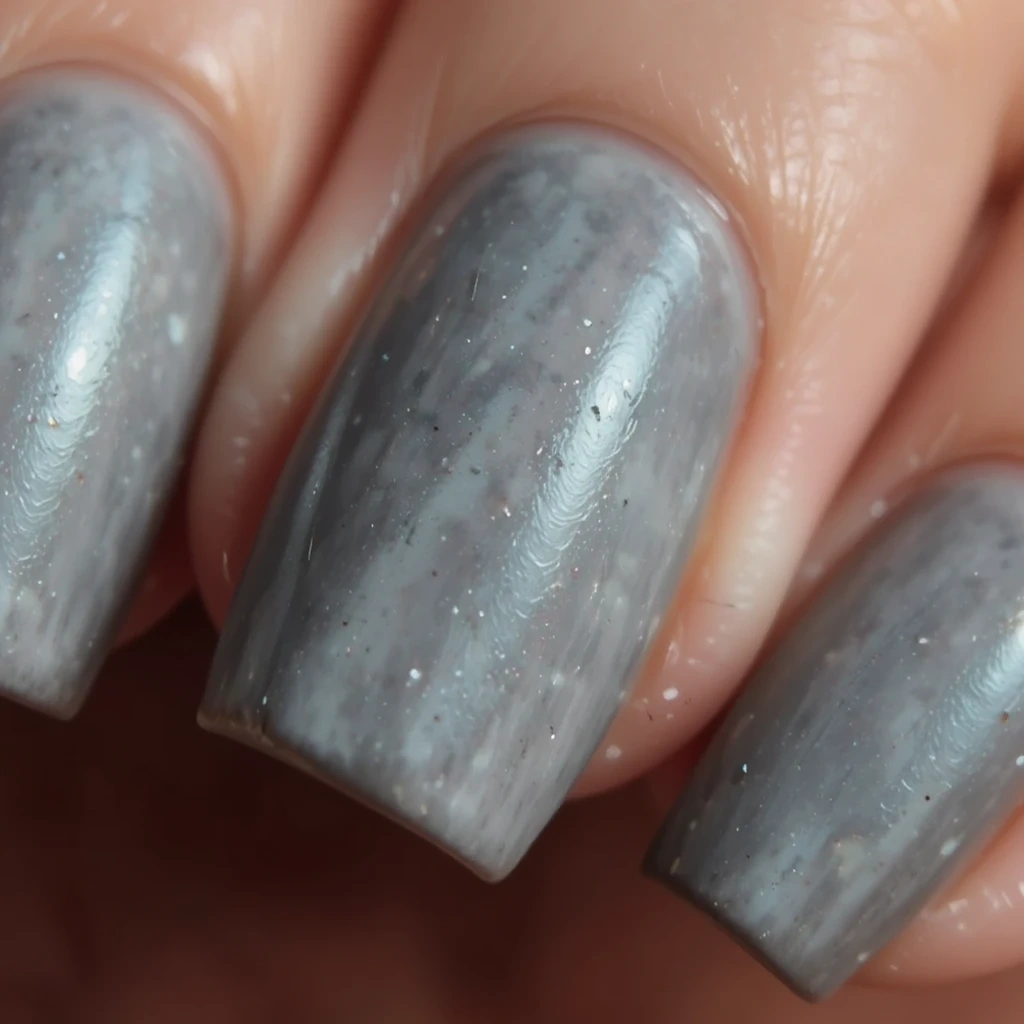
Streaks usually come from how the brush moves through the formula. Because matte top coats are thicker and more textured by nature, dragging the brush back and forth, or going over the same spot twice while it’s starting to dry, disrupts the matting agents and leaves lines behind. With a glossy coat, you can sometimes get away with fixing a brush stroke — with matte, you almost never can.
The one-swipe rule: Matte top coat should be applied in one smooth stroke per section and left alone. The moment you go back over it while it’s setting, you’re asking for streaks.
Step-by-Step: How to Apply Matte Top Coat Without Issues
This assumes you’ve already done your color coat. Don’t rush this part.
- Wait longer than you think you need to Let your color coat dry for at least 3–5 minutes — not just until it “feels dry” to touch. If you apply matte over a color that’s still slightly soft inside, it will pull and streak. For gel polish, make sure you’ve fully cured each layer under your lamp.
- Check the room conditions If it’s a particularly humid day (bathroom after a shower, or rainy weather with windows open), move to a drier room. Matte coats and humidity genuinely do not get along. This alone solves a lot of tackiness issues.
- Shake the bottle gently, then let it settle The matting agents can settle at the bottom of the bottle. Give it 5–6 gentle rolls between your palms — don’t shake it hard, that creates bubbles. Then wait 30 seconds before opening. This keeps the formula even.
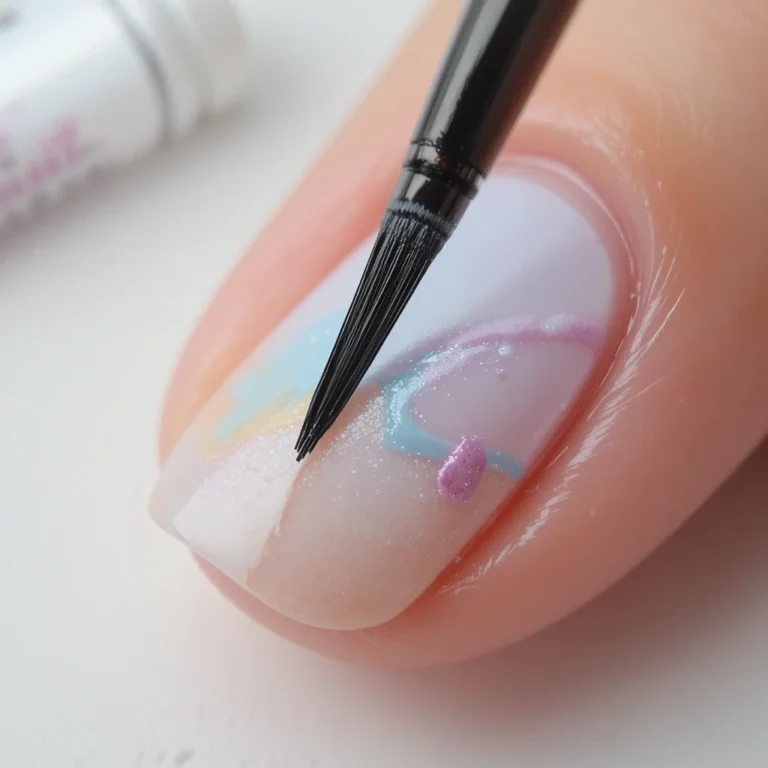
- Wipe the brush to a medium load — not too much, not too little Too much product on the brush = streaks and flooding around the cuticle. Too little = the brush drags and pulls. Wipe the brush against the inside of the neck until you have a medium, even coat on both sides. It should look slightly loaded but not blobby.
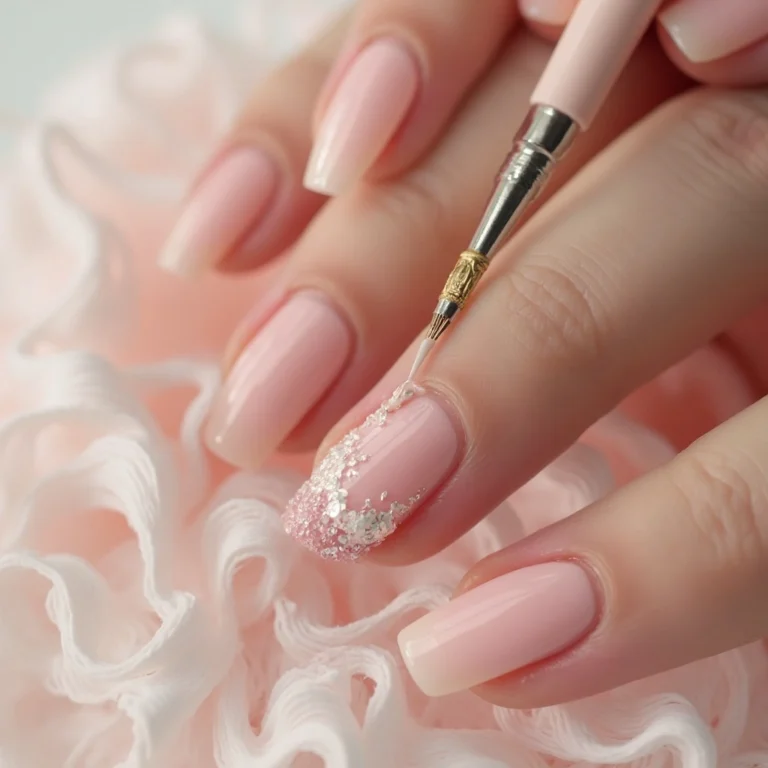
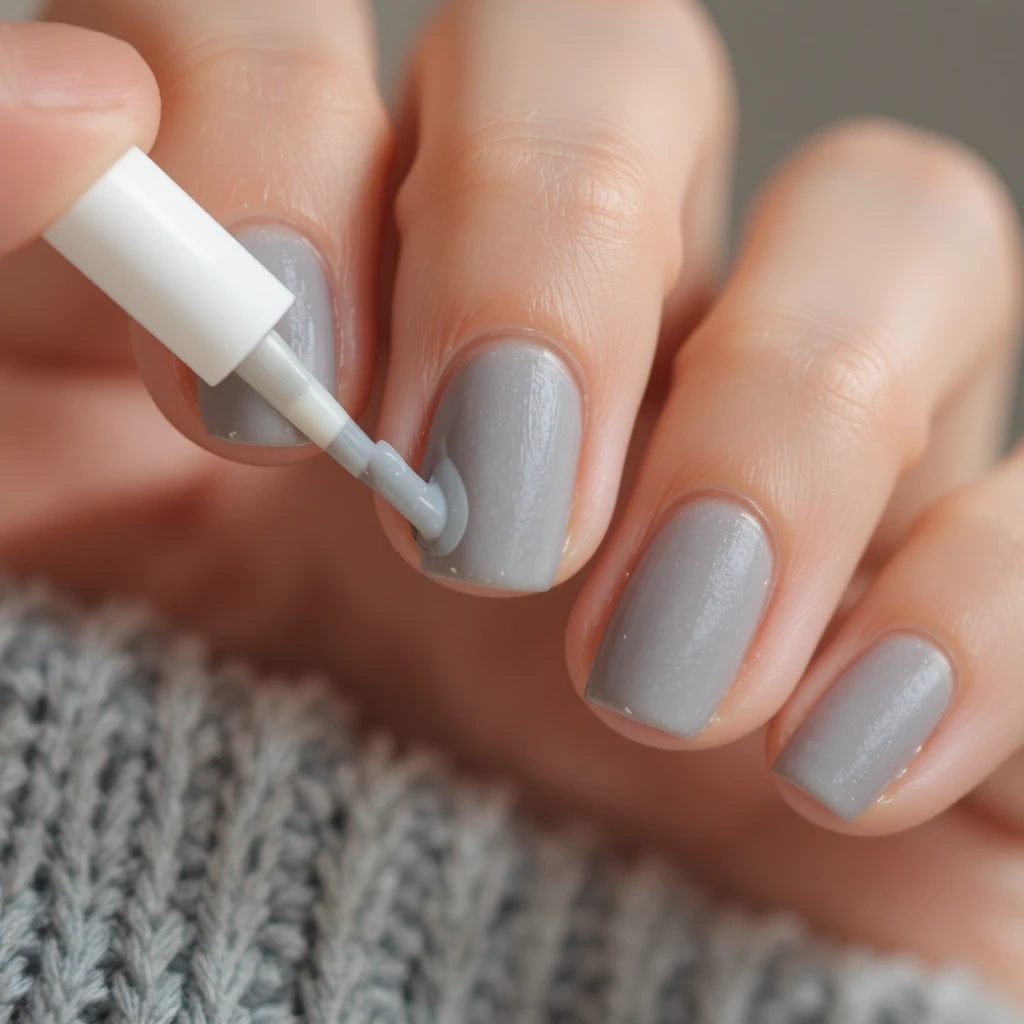
- Apply in one steady stroke per side Start at the base (just above the cuticle, not touching it), and pull toward the tip in one smooth motion. Do the middle, then one side, then the other. Don’t go back over anything. That’s it. One pass.
- Cap the tip Run the brush lightly across the very edge of the nail tip — this seals the matte coat and helps it last longer without chipping. You only need the thinnest pass here.
- Give it actual time to dry Matte top coats can feel dry to the touch in 2–3 minutes but still be soft underneath. Wait at least 10 minutes before doing anything with your hands. If you reach into a bag or brush against fabric at the 4-minute mark, you’ll dent it.
Common Mistakes That Cause Exactly This Problem
Most matte top coat issues come down to one of these. Be honest with yourself — I’ve made all of them at some point.
Mistake #1
Applying over color that’s still tacky
The color polish might look dry, but press your finger gently to the side of your nail — if there’s any give or it sticks slightly, it’s not ready. Matte coat will drag the undried pigment and create a muddy, uneven result.
Wait until the color coat is completely hard to the touch with zero flexibility. In cool, dry conditions, that’s usually 4–6 minutes per coat.
Mistake #2
Applying a second coat to fix the first one
If your first application looked streaky, the instinct is to go over it again. This almost always makes it worse. Adding a second coat over one that’s 50% dry creates drag lines, uneven texture, and sometimes a patchy semi-matte look.
If the first coat went wrong, either leave it (sometimes it smooths as it finishes drying) or fully remove and start fresh. If you do add a second coat, wait until the first is 100% dry — not just touch-dry.
Mistake #3
Using an old or thickened formula
Matte top coats have a shorter shelf life than glossy ones because the matting agents can separate and the solvents evaporate faster. If your bottle is more than 12–18 months old, or if the formula looks thicker than it used to, that’s likely your streaking culprit.
Mistake #4
Putting it on too thin
This one surprises people. Going very thin with matte coat — thinking it’ll dry faster or look cleaner — actually makes streaking more likely. The brush skips and drags on thin areas, and the matting agents don’t distribute evenly.
One smooth, medium-thickness stroke is better than two thin ones. The coat should be substantial enough that it visibly wets the nail surface as you apply it.
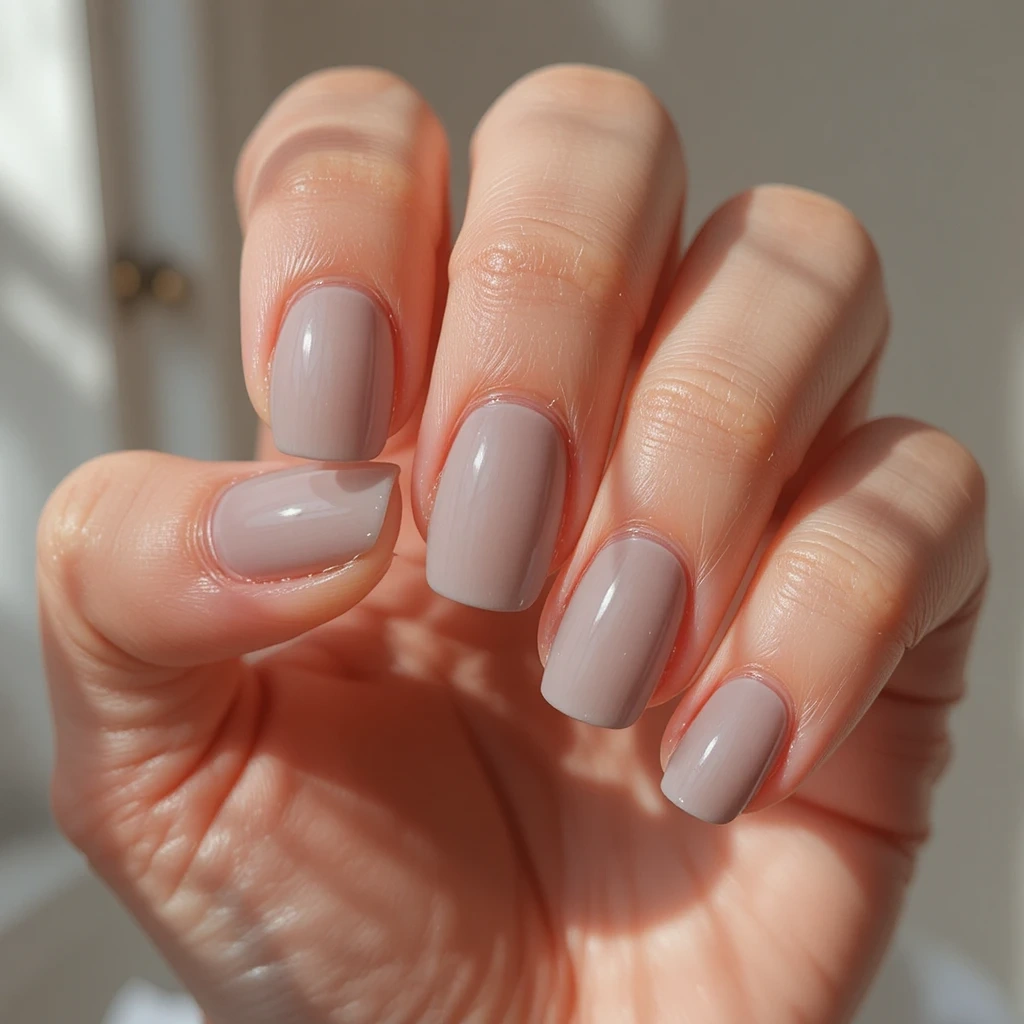
What to Realistically Expect After You Fix It
Let’s be straightforward about what a good matte manicure looks like versus what it doesn’t.
✓ Normal & expected
Slight variation in matte intensity between fingers. Very slight texture to the touch. Dulling over time as oils from your skin interact with the finish.
✗ Sign something went wrong
Sticky feeling after 15+ minutes. Visible brush lines or patches. Shiny spots in a matte finish (often from skin contact before it dried).
One thing many people don’t realize: matte finishes naturally start looking slightly less matte after a day or two, especially on the tips. This isn’t failure — it’s just the nature of the finish. Oils from your skin gradually break down the matting effect. Reapplying a thin coat every 2–3 days keeps it looking fresh without fully redoing your nails.
Good to know: Matte finishes show scratches and small imperfections more visibly than glossy ones. If your nails look “worn” faster, that’s normal — not a sign the product didn’t work.
Extra Tips That Actually Make a Difference
- Store your matte coat upright and away from sunlight. Heat and UV exposure speed up the separation of the matting agents. A drawer or nail caddy away from the window extends the bottle’s life noticeably.
- Don’t use quick-dry drops over matte coat. The oil base in most quick-dry drops leaves micro-shiny spots on a matte finish. If you need it to dry faster, a quick-dry spray works better than drops.
- Matte and glitter don’t always play well together. Applying matte over chunky glitter often results in uneven texture and partial matteness. If you want the look, try a very thin coat and accept it won’t be perfectly flat.
- Use a separate brush for cleanup first. If you need to clean up the edges with acetone before the matte coat, do it before — not after. Acetone near freshly applied matte coat will leave shiny edge marks.
- Matte top coat changes the color underneath slightly. Most colors look a shade or two lighter and more muted under matte. If you’ve never used it before, swatch it first so you’re not surprised by the finished look.
Quick Questions
Can I use matte top coat over gel polish?
Yes, but only over fully cured gel. Some gel-specific matte top coats need to go under the lamp to set (check your product’s instructions). Regular air-dry matte coats can go over gel once it’s cured and wiped — just know they won’t last as long and may peel instead of chip.
Why does my matte coat look shiny in some spots?
Shiny patches on a matte finish usually mean skin contact while it was still drying, uneven application thickness, or applying over color that wasn’t fully dry. The thicker areas cure matte; the thinner or disrupted areas reflect light. A thin re-coat after the first is 100% dry can fix this — but only then.
Is there a matte top coat that’s less finicky than others?
Generally, gel-formula matte top coats (the kind you cure under a lamp) are more consistent and less humidity-sensitive than air-dry ones. Among regular top coats, thicker-formula products tend to apply more smoothly than watery ones. If you keep having trouble with a specific brand, it’s worth trying a different one before blaming your technique.
The Short Version
Tacky and streaky matte coats almost always come down to three things: applying over an undried color coat, going over the same spot twice, or working in humid conditions. Fix any one of those and you’ll see an immediate difference.
Your next step: try one manicure using only the one-stroke rule and a fully dry base, and see if that alone changes things. Most people find it does. Browse More Nail Guides →